
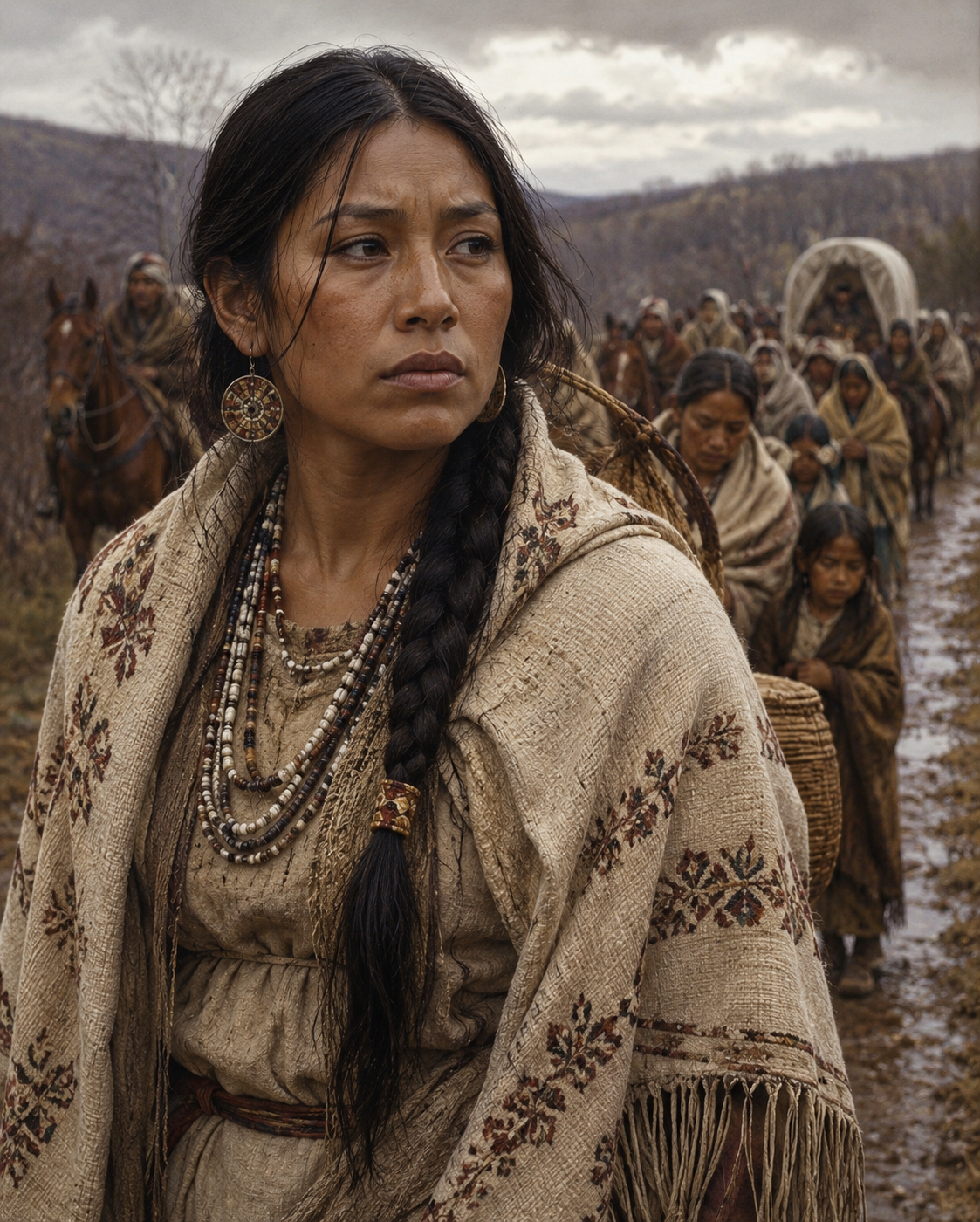
Sovereign Chickamauga Cherokee Tribe of Arkansas
The Fire Was
Never Put Out
It was only hidden.
Scroll to begin
Before the treaties. Before the removal. Before the silence forced upon them —
there was a man who refused to bend.
ᎠᏂᏴᏫᏯ · Aniyvwiya · "The Real People"
Chapter I
c. 1738 – March 1, 1792
Tsiyu Gansini
Dragging Canoe
War Chief · Founder of the Chickamauga · The Man Who Would Not Sign
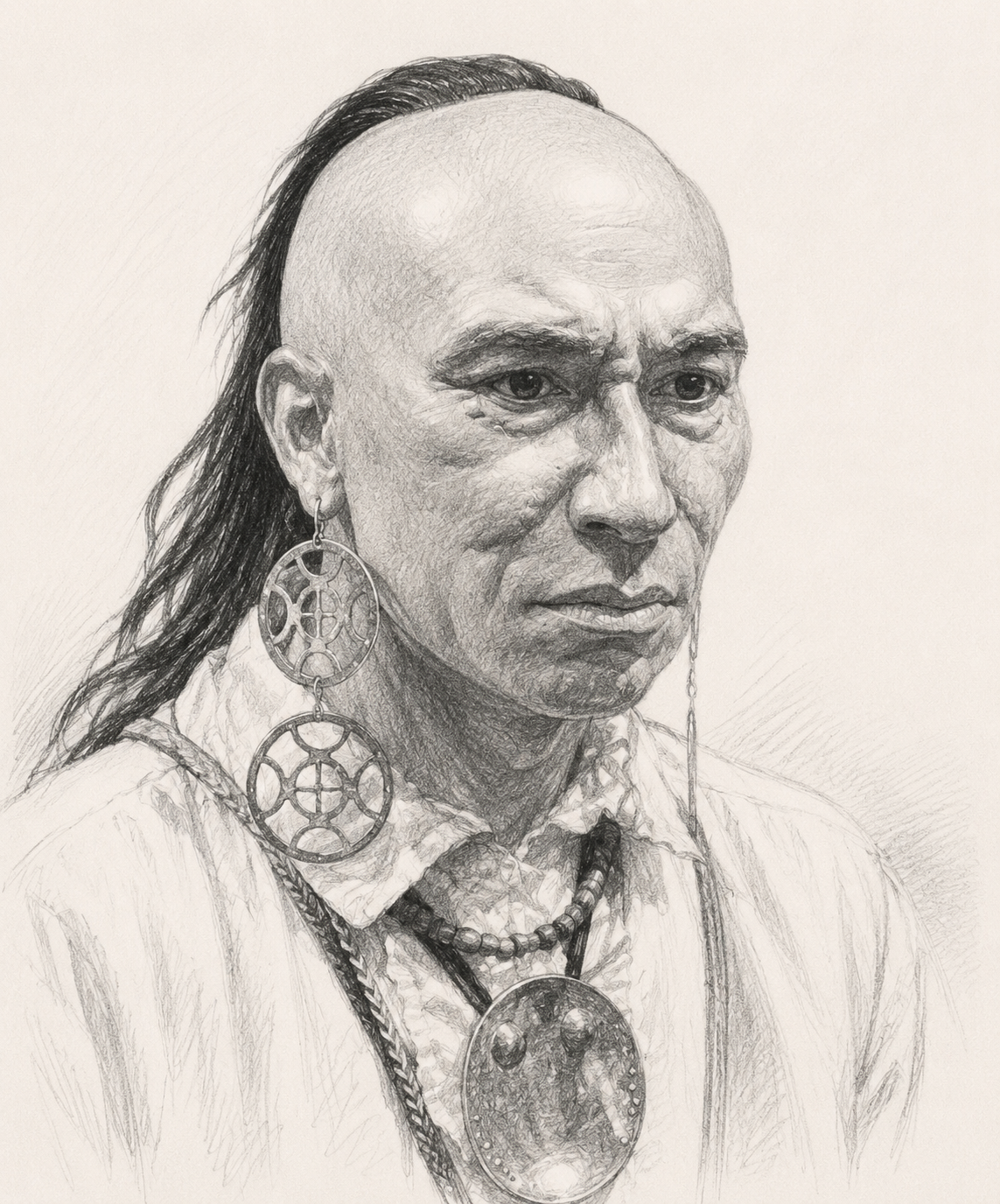
Tsiyu Gansini — Dragging Canoe. He never surrendered.
The year was 1775. Cherokee leaders had gathered at Sycamore Shoals to sign away millions of acres to land speculators. One by one, they put their marks on the paper.
One man refused.
Tsiyu Gansini — Dragging Canoe — son of the great diplomat Attakullakulla, rose and looked at the men who had just sold his people's future. He pointed to the land on the map and said what no one else would say:
"You have bought a fair land, but there is a cloud hanging over it. You will find its settlement dark and bloody."
He walked out. And he never looked back.
Dragging Canoe led his people away from the accommodating Cherokee towns and established new settlements along Chickamauga Creek in present-day Tennessee. He forged alliances with the Shawnee, the Creek, the British — anyone who would stand against the tide of American expansion pressing westward like a flood.
For nearly two decades, he fought. He raided. He organized. He inspired resistance movements across the eastern nations. When American forces burned his towns, he rebuilt them. When they came again, he moved deeper into the mountains and kept fighting.
On March 1, 1792, Dragging Canoe died — reportedly after a night of celebration following a successful raid. He was never captured. He never signed a surrender. He never stopped.
His death did not end the Chickamauga. It became their inheritance.
"The refusal to accept erasure."
The spirit born in Dragging Canoe — carried by every Chickamauga since
Chapter II
1808 – 1828
West of the Mississippi
The Chickamauga come to Arkansas
After Dragging Canoe's death, the pressure on the Chickamauga did not ease — it intensified. The new American republic was hungry for land, and the Cherokee were sitting on it.
President Thomas Jefferson's administration made many treaties with the Chickamauga Cherokee. But in 1808, one leader saw what was coming and made a decision that would define his people's future. Tahlonteskee would not wait for the government to take what remained. Fearing violence against his people, he informed President Jefferson that his followers were prepared to migrate westward — across the Mississippi, to the land along the Arkansas River, to a place called Dardanelle Rock in what is now Yell County, Arkansas.
He led 1,130 Chickamauga Cherokee across the river. They called themselves the "Cherokees West" — the Old Settlers. They were the first. They would not be the last.
1,130
Chickamauga Cherokee crossed the Mississippi in 1808
1808
Year Tahlonteskee led the first migration to Arkansas
6+
Waterways settled — Illinois, Pine, Spadra, Horsehead, Mulberry, Petit Jean
They were followed by others. Around 1811, Ooholonteskee — half-brother of Tahlonteskee, known to settlers as John Jolly — migrated to the Dardanelle area and established what became known as Chickalah Town. Chief Bowles, also known as Chief Dutch, led another band who settled near Danville.
The people spread. Cherokee families moved throughout the Arkansas River Valley and along every waterway they could find — Illinois Bayou, Pine Creek, Spadra Creek, Horsehead Creek, Flog Creek, Mulberry Creek. A sizable group established homes along the Petit Jean River, south of the Arkansas.
Life Along the Arkansas
They built log cabins. They planted fields of corn and vegetables. They erected rail fences and raised cattle, hogs, and chickens. They were not wandering — they were building.
The men hunted deer, buffalo, and bear from the forested hills south of the Arkansas River. The women continued Cherokee traditions of weaving and craftsmanship, keeping the old ways alive in a new land.
Hides and agricultural products were loaded onto canoes and transported hundreds of miles downriver to Arkansas Post for trade. In return, families brought back salt, sugar, and goods scarce in the Arkansas wilderness.
They were not refugees. They were a people planting roots — the same fire, the same spirit that had refused to sign at Sycamore Shoals.
On June 24, 1823, Acting Governor Robert Crittenden of the Arkansas Territory met with Arkansas Cherokee leaders at the home of Cherokee agent David Brearley, south of the Arkansas River near present-day Dardanelle. Among those present: John Jolly — who would become Principal Chief of the Arkansas Cherokees — Black Fox, Wat Webber, Waterminnow, Young Glass, Thomas Graves, and George Morris.
Neither side left fully satisfied. Both submitted written appeals to Secretary of War John C. Calhoun, who then held supervisory authority over Indian Affairs. The tension was already building — the same tension that would eventually become the Indian Removal Act.
But in 1823, the Chickamauga Cherokee were still here. Still farming. Still trading. Still governing themselves. Still home.
They were home.
Chapter III
1817 – 1828
This Was Our Land
This is not legend. This is not family memory passed down in whispers. This is documented in the U.S. Bureau of Indian Affairs Cherokee Nation Treaties of 1817–1818 and the Arkansas State Archives. The Chickamauga Cherokee were here. The map proves it.
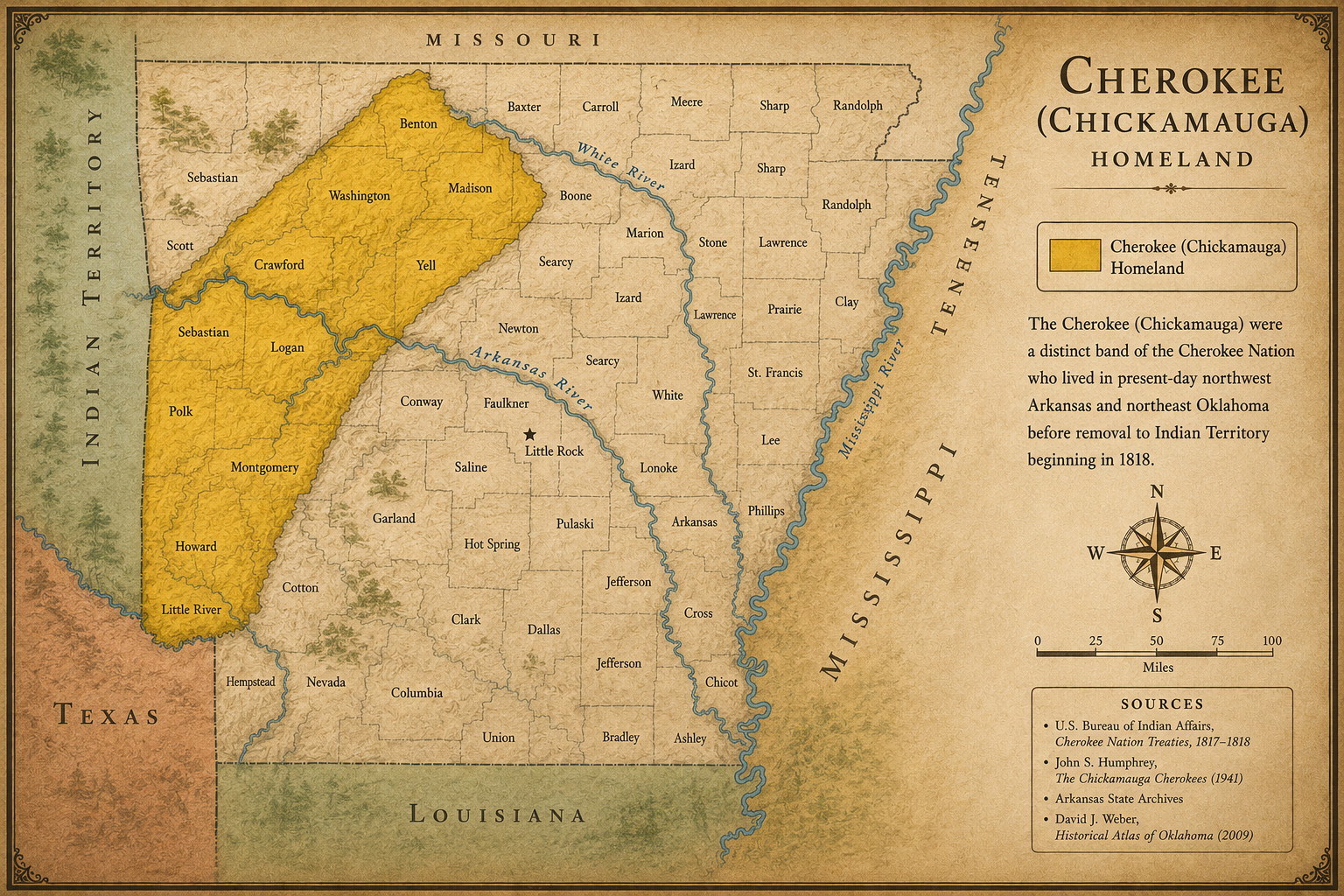
Cherokee Chickamauga Homeland — Arkansas Territory, 1817–1828. Source: U.S. BIA Cherokee Nation Treaties & Arkansas State Archives.
Chapter IV
1830s – 20th Century
They Tried to Erase Us
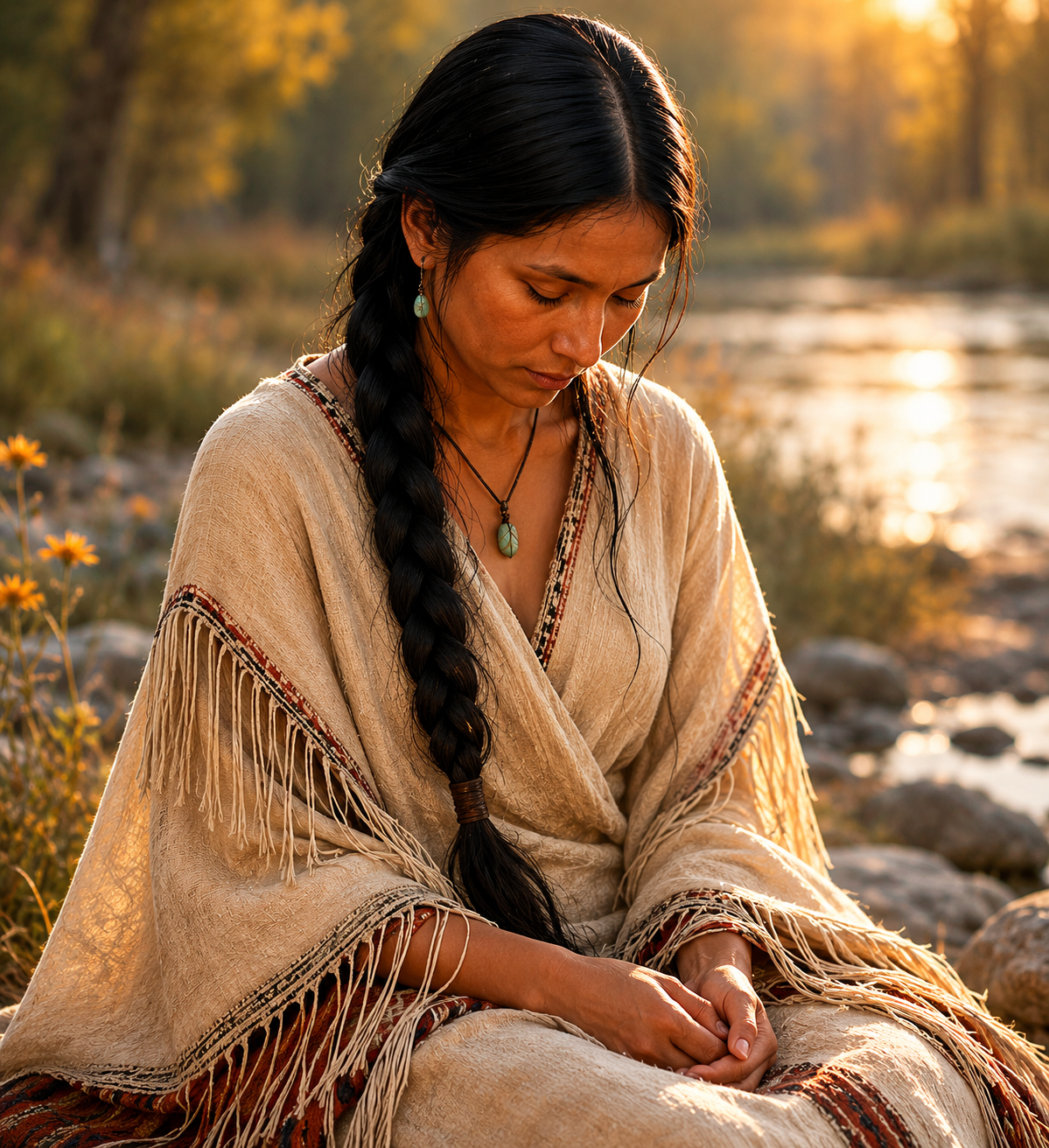
The Indian Removal Act of 1830 set the machinery in motion. But for the Chickamauga Cherokee of Arkansas, the erasure was not a single march. It was slower. More deliberate. More cruel.
It was legal exclusion. Land seizure. Bureaucratic denial. The Old Settlers — the Cherokees West — were absorbed into larger tribal rolls, their distinct identity dissolved on paper. Families who had lived along the Arkansas River for generations found themselves without a federally recognized tribal home.
They did not disappear.
They stayed.
Chapter V
Always
The Fire Has Never
Stopped Burning
ᏓᎶᏂᎨᏒ · Adanyvdo Ulisdi
Through every generation of silence, the Chickamauga Cherokee of Arkansas kept their identity alive. They danced. They prayed in the old ways. They passed the language to their children in whispers when it was dangerous to speak it aloud.
They buried their dead with ceremony. They gathered at the river. They remembered.
The sacred fire — Adanyvdo Ulisdi — is not merely a symbol. It is a living practice. Our people maintained the ceremonial fire through every decade of federal neglect. Through the allotment era. Through the termination policies of the 1950s. Through the urban relocation programs that scattered Native families across the country.
We were never terminated in spirit. We were never relocated in heart.
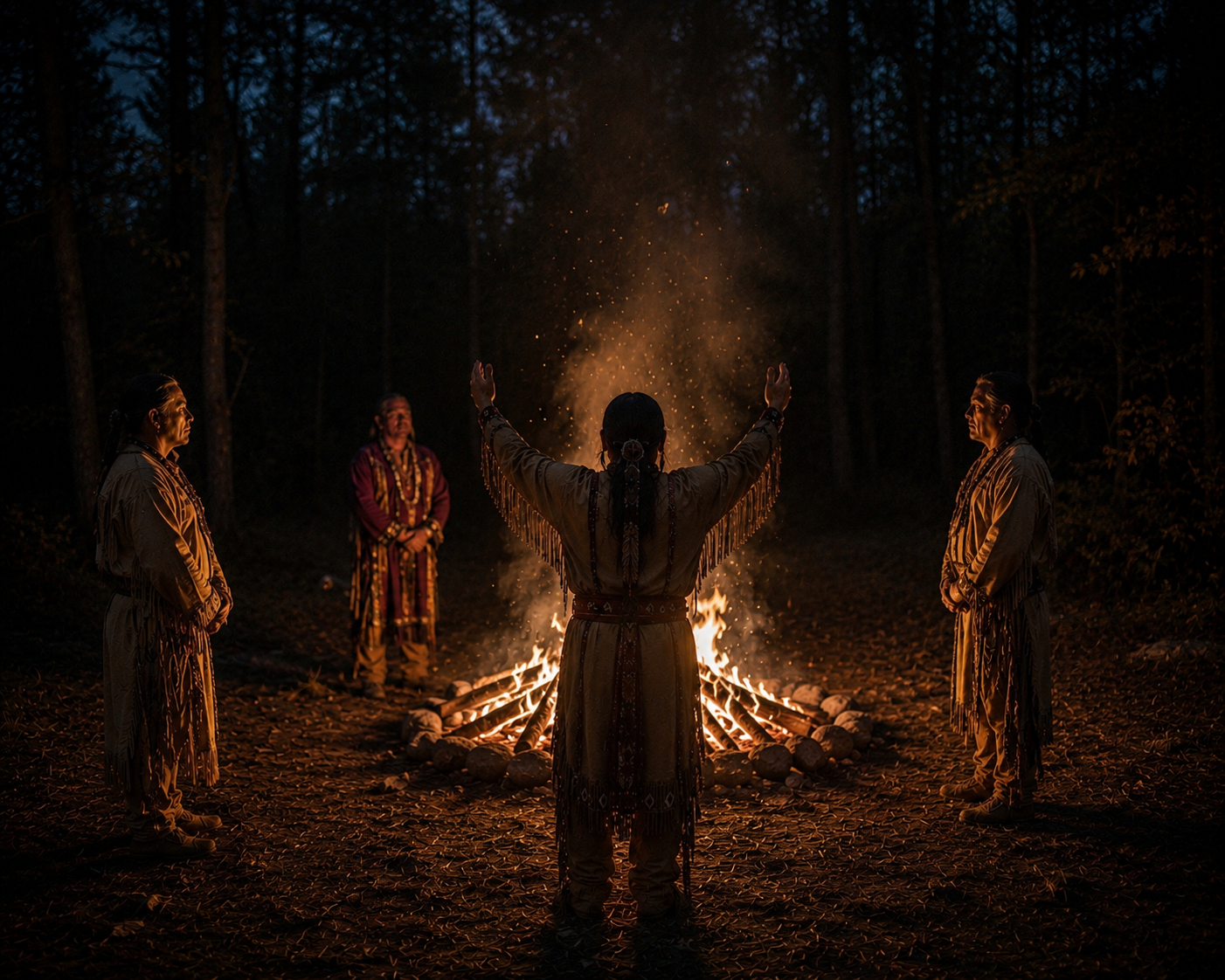
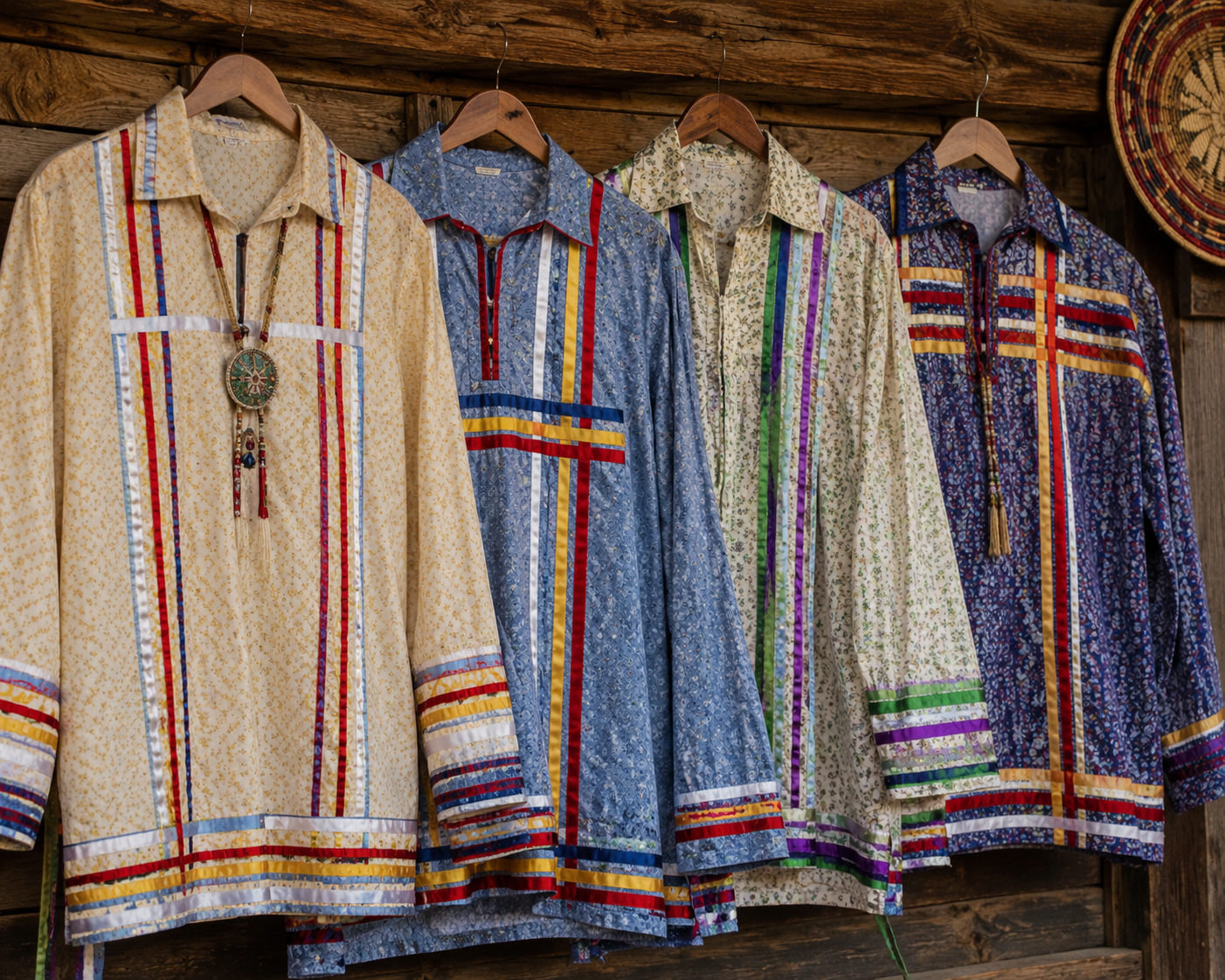
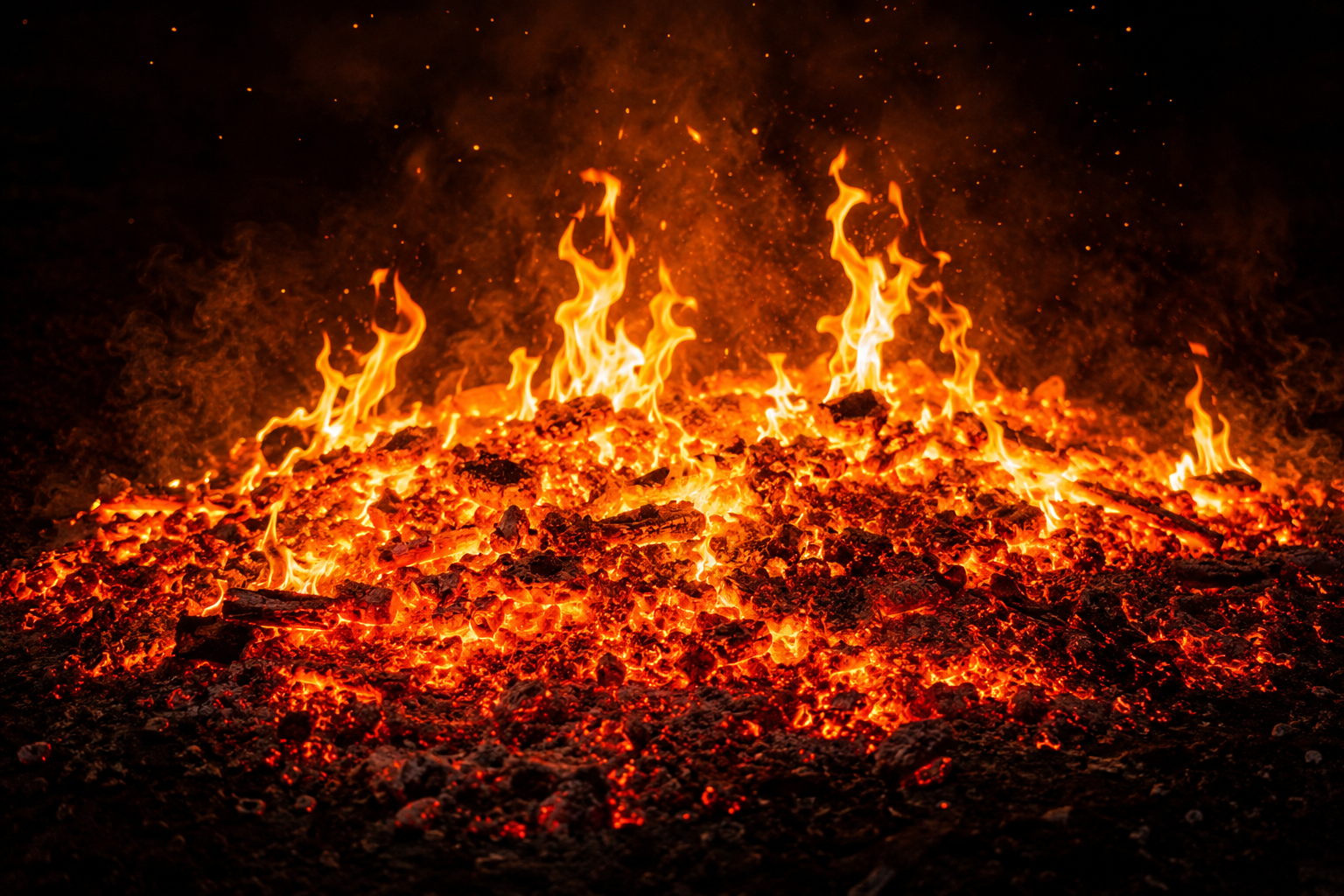
"We still dance the stomp dance.
We still speak the language.
We still practice our sacred faith."
ᏣᎳᎩ · Tsalagi · Chickamauga · Est. 1808
Chapter VI
2006 – Present
We Are Fighting
to Come Home
The recognition our ancestors were always owed
In 2006, the Apache Tribe of Oklahoma looked at the evidence — the treaties, the land records, the family histories, the continuous presence — and passed a formal resolution recognizing the Arkansas Sovereign Chickamauga Cherokee Tribe as the true and official governing body of the Cherokee people of Arkansas.
In 2008, the United Keetoowah Band of Cherokee Indians followed. Chief George G. Wickliffe signed a letter recognizing the historical existence of the Chickamauga Cherokee in Arkansas and supporting Federal Recognition. In 2017, Assistant Chief Jamie Thompson reaffirmed that support.
Community leaders across Arkansas added their voices. Jasper School District Superintendent Jeff Cantrell confirmed that Cherokee people have continuously lived in Newton County from the early 1800s to the present. Yell County Judge Mark Thone confirmed the same for Yell County.
In May 2024, the Sovereign Chickamauga Cherokee Tribe was formally incorporated in the State of Arkansas as a 501(c)(3) nonprofit organization. We are actively fighting for both state and federal reinstatement.
Every enrolled member strengthens our case. Every family history documented is evidence. Every ceremony held is proof that we have never left, never stopped, never surrendered.
Dragging Canoe refuses to sign the Treaty of Sycamore Shoals. The Chickamauga are born.
Dragging Canoe dies — never captured, never surrendered. His spirit becomes the inheritance of his people.
Tahlonteskee leads 1,130 Chickamaugans to Dardanelle, Arkansas. The Cherokees West plant their roots.
Chief Chickalah (John Jolly) establishes Chickalah Town near Dardanelle.
Chickamauga Cherokee settle along the Arkansas River and its tributaries. This is home.
Indian Removal Act. The slow erasure begins — legal, bureaucratic, deliberate.
Apache Tribe of Oklahoma passes resolution supporting Federal Recognition.
United Keetoowah Band issues letter of support — Chief George G. Wickliffe.
United Keetoowah Band reaffirms support — Assistant Chief Jamie Thompson.
Letters of support from Jasper School District and Yell County Judge.
Incorporated in Arkansas as Sovereign Chickamauga Cherokee Tribe, Inc. — 501(c)(3).
Actively fighting for state and federal reinstatement. The fight continues.
The Story Continues
We Are
Still Here
The Chickamauga Cherokee of Arkansas have never stopped being who we are. We are not a remnant. We are not a memory. We are a living people — actively fighting for the state and federal reinstatement that was always ours.